


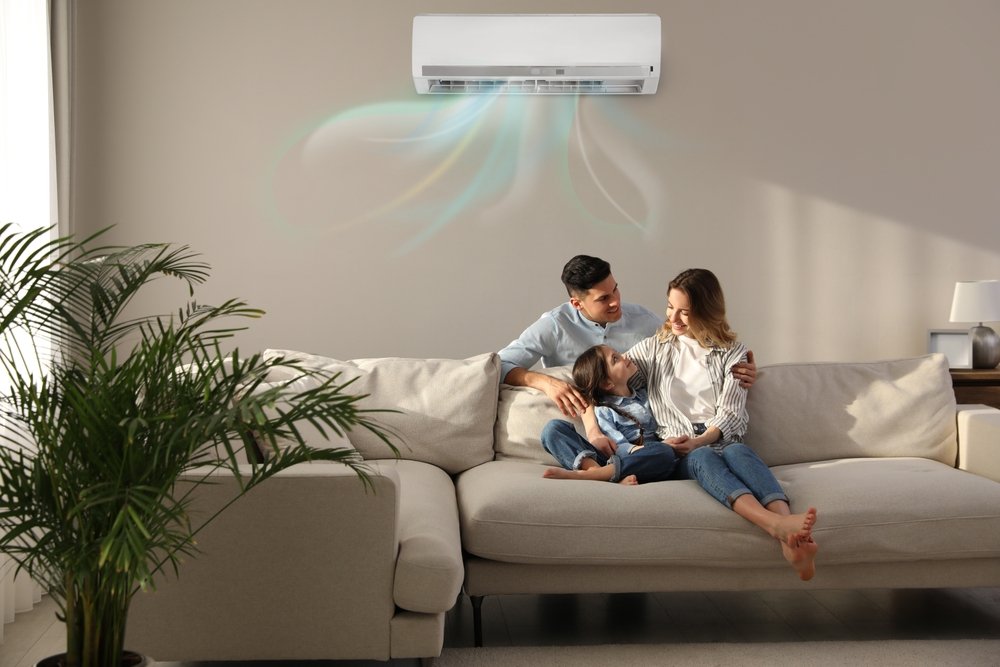
When it comes to building a sustainable future, heating and cooling systems play a pivotal role in transforming ordinary houses into energy-efficient homes. As climate concerns grow and homeowners become more environmentally aware, advanced solutions for maintaining indoor comfort without harming the planet are in high demand.
This article explores the latest innovations in eco-friendly heating and cooling, offering smart, long-term solutions tailored to environmentally conscious living. Whether you’re building a new home or upgrading your current system, understanding these techniques will help reduce energy consumption, lower costs, and minimize your carbon footprint—without compromising comfort.
Understanding Energy-Efficient Heating and Cooling Systems
Energy efficiency starts with choosing the right systems. While the basic purpose of HVAC systems remains the same, new designs integrate high-efficiency heat pumps, zoned systems, and eco-conscious airflow technology to reduce waste.
Key features of energy-efficient systems:
- Inverter-driven compressors that adjust to demand
- Zoned temperature control to avoid heating/cooling unused spaces
- Variable-speed fans for energy savings and quieter operation
- Dual-fuel heat pumps that switch between gas and electric based on efficiency
By investing in these smart solutions, homeowners can drastically reduce their monthly utility bills and environmental impact.
Advanced Heating Solutions for the Eco-Conscious Homeowner
Heating a home efficiently during colder months is critical for comfort and sustainability. New technologies have emerged that provide warmth without excess energy use or reliance on fossil fuels.
Popular advanced heating techniques include:
- Hydronic radiant floor heating: Uses warm water tubes under flooring to distribute heat evenly. It’s quieter and more efficient than forced air systems.
- Geothermal heat pumps: Draw warmth from the earth, offering one of the most energy-efficient heating options available today.
- High-efficiency condensing boilers: Capture and reuse heat from exhaust gases, maximizing energy use.
These systems are designed to reduce emissions and provide consistent, draft-free warmth throughout the home.
Cutting-Edge Cooling Technologies That Save Energy
Cooling a home in hot climates can account for a large portion of a household’s energy consumption. Fortunately, recent advancements are changing the game.
Leading eco-friendly cooling technologies include:
- Evaporative coolers (swamp coolers): Use water and airflow to cool spaces naturally, particularly effective in dry climates.
- Solar-powered air conditioning systems: Use photovoltaic panels to generate the energy needed for cooling.
- High-SEER (Seasonal Energy Efficiency Ratio) air conditioners: Consume less electricity while delivering superior cooling performance.
- Passive cooling design: Incorporates architectural features like cross-ventilation, thermal mass, and shading to maintain comfortable indoor temperatures.
Choosing the right cooling method ensures optimal indoor climate control without unnecessary energy use.
Integrated Heating and Cooling Systems
Modern homes benefit from integrated systems that combine heating and cooling into one unified, efficient solution. These setups simplify installation, maintenance, and operation—while promoting sustainability.
Features of integrated systems:
- Reverse-cycle heat pumps that heat in winter and cool in summer
- Ductless mini-split systems offering high efficiency and zoned comfort
- Central HVAC units with smart thermostats and adaptive controls
Integrated systems reduce hardware complexity and energy waste, making them ideal for green homes.
Smart Technology and Automation
Automation is revolutionizing how we approach heating and cooling in eco-friendly homes. Smart thermostats, sensors, and home energy management systems allow for precise control over indoor environments.
Benefits of smart HVAC automation:
- Remote access via smartphone apps
- Learning algorithms that adapt to your routines
- Real-time energy usage insights
- Automated scheduling to reduce energy waste during off-peak hours
Technologies like Google Nest, Ecobee, and Honeywell Smart Thermostats are helping homeowners take control of energy usage and make better decisions for both the planet and their wallets.
Insulation and Building Design for Optimal Performance
Even the most advanced heating and cooling systems can underperform in poorly insulated homes. Proper insulation and energy-conscious architectural design significantly enhance HVAC efficiency.
Elements of a well-designed eco-home include:
- Double or triple-glazed windows
- Roof and wall insulation with high R-value
- Air-sealing around doors, windows, and vents
- Orientation and layout to maximize natural light and airflow
- Thermal mass materials that absorb and slowly release heat
A well-insulated home maintains a stable indoor climate with minimal reliance on mechanical systems, resulting in substantial long-term energy savings.
Renewable Energy Integration
Pairing heating and cooling systems with renewable energy sources makes your home even greener. Solar, wind, and geothermal energy can power HVAC operations entirely, reducing or eliminating reliance on grid electricity.
Common integrations:
- Solar panels powering heat pumps and air conditioners
- Battery storage systems to retain energy for night-time use
- Hybrid systems combining solar and grid energy to maximize uptime
- Geothermal heating and cooling loops for consistent energy delivery
This integration aligns with net-zero building goals and offers cost savings through government rebates and reduced utility bills.
Maintenance and Optimisation Tips
To ensure peak performance of your eco-friendly heating and cooling systems, regular maintenance is key. A poorly maintained system loses efficiency and lifespan, regardless of its initial energy rating.
Tips for optimal system performance:
- Clean or replace filters every 1–3 months
- Inspect ductwork and seals for leaks annually
- Schedule professional servicing at least once a year
- Calibrate thermostats and check sensors regularly
- Clean outdoor condenser units from debris and obstructions
Staying on top of maintenance tasks ensures that your systems run efficiently and that your home remains eco-friendly over the long term.
Conclusion
Modern homeowners are increasingly choosing sustainability without sacrificing comfort—and advanced heating and cooling solutions are central to that transition. From smart thermostats and solar-powered systems to geothermal loops and radiant floor heating, these innovations provide cleaner, smarter ways to live comfortably year-round.
By combining thoughtful system selection with energy-efficient design, renewable integration, and smart automation, you can significantly lower your environmental footprint while enjoying superior indoor climate control.
Eco-friendly living begins with informed choices. Let your heating and cooling systems lead the way to a sustainable future—where comfort, efficiency, and environmental responsibility go hand in hand.