


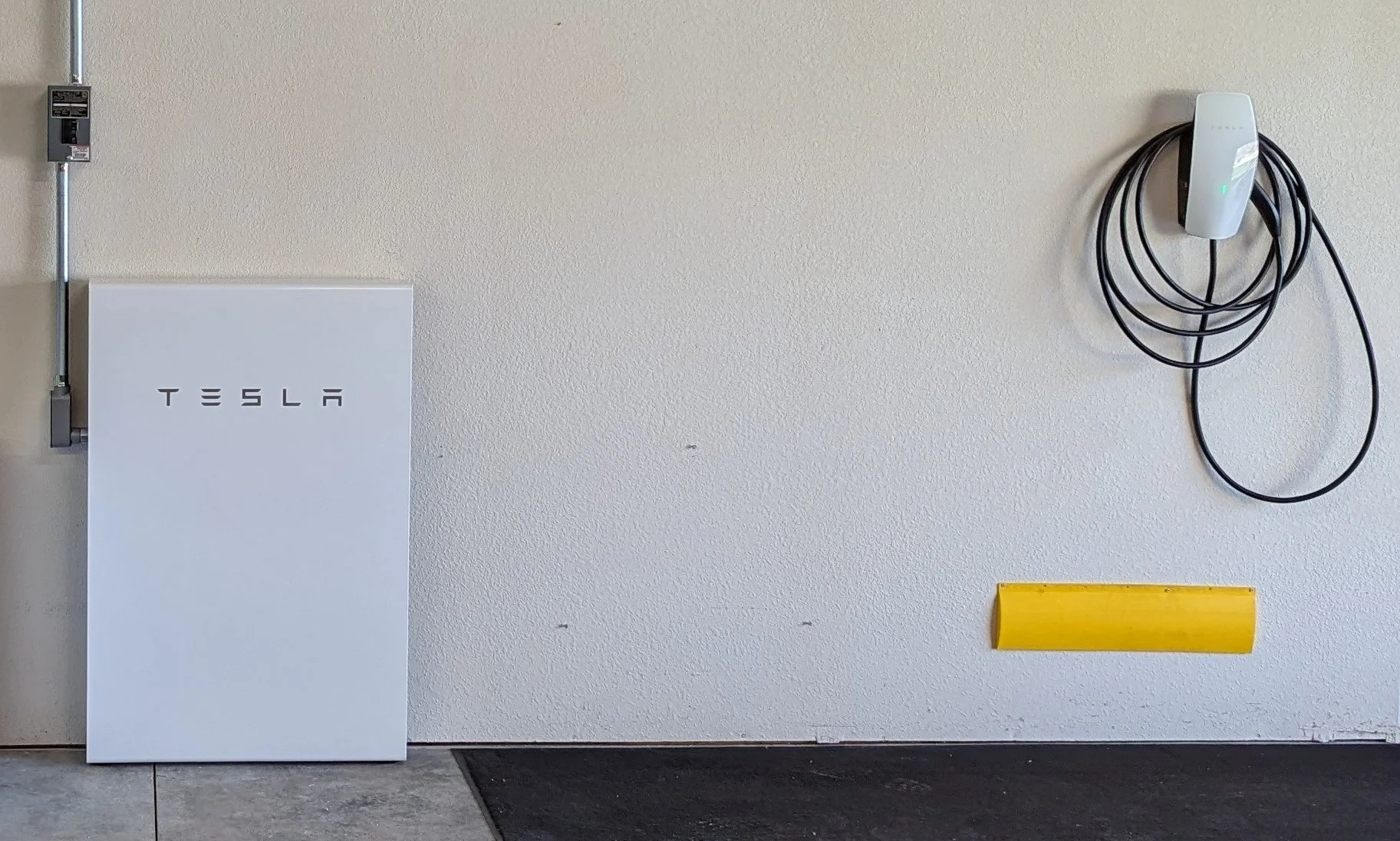
Imagine coming home after a long day, plugging your electric vehicle (EV) into its charger, and knowing that the power fueling your car comes straight from the sun—stored safely in your Tesla Powerwall. This isn’t a futuristic dream but a reality for homeowners embracing clean energy. Meet Sarah, a tech-savvy environmentalist who recently installed a Tesla Powerwall to complement her solar panels and EV charger. Her journey began with a desire to reduce her carbon footprint and gain independence from fluctuating utility rates. By integrating Powerwall for EV Charging, Sarah transformed her home into a sustainable powerhouse, driving her car on sunlight and cutting her energy bills. This article explores how Powerwall for EV Charging empowers homeowners like Sarah to achieve energy efficiency, cost savings, and environmental impact, all while leveraging the latest in solar storage technology.
What is Powerwall for EV Charging?
Understanding Tesla Powerwall
The Tesla Powerwall is a rechargeable lithium-ion battery designed to store energy generated by solar panels or the grid for later use. With a capacity of 13.5 kWh and a continuous power output of up to 11.5 kW (in Powerwall 3), it’s a robust solution for home energy needs. Powerwall for EV Charging allows users to store excess solar energy during the day and use it to charge their electric vehicles at night or during peak utility rate hours, optimizing both cost and sustainability.
How It Integrates with EV Charging
Powerwall integrates seamlessly with Tesla’s Wall Connector or other compatible EV chargers. Through the Tesla app, users can configure the system to prioritize charging their EV with stored solar energy, especially when grid electricity is expensive or during outages. The system adjusts charging dynamically, ensuring your home’s essential loads are powered while maximizing solar energy use for your EV. This integration is key to achieving energy independence and reducing reliance on fossil fuel-based grid power.
Benefits of Using Powerwall for EV Charging
Cost Savings Through Smart Energy Management
Electricity rates often spike during peak hours, typically in the evening when EV charging is most common. Powerwall’s Time-Based Control mode allows users to charge their battery during off-peak hours (when rates are low) or directly from solar panels during the day. By using stored energy for EV charging, you avoid high grid rates, potentially saving hundreds annually. For example, in California, where peak rates can hit $0.42–$0.48/kWh, charging with solar energy stored in a Powerwall can reduce costs significantly compared to grid rates.
Environmental Impact
Using Powerwall for EV Charging minimizes your carbon footprint by powering your vehicle with renewable energy. Instead of relying on a grid that may use coal or gas, you’re tapping into clean solar power. Studies show that solar-powered EV charging can reduce emissions compared to grid-dependent charging, aligning with global efforts to combat climate change.
Energy Independence and Backup Power
Powerwall provides backup power during outages, ensuring you can charge your EV even when the grid is down. This feature is critical in areas prone to blackouts, offering peace of mind and uninterrupted mobility. The system coordinates with Tesla vehicles to optimize charging without overloading the battery, prioritizing home needs while keeping your car ready to go.
How to Optimize Powerwall for EV Charging
Setting Up Your System
To maximize Powerwall for EV Charging, ensure your setup includes a Tesla Wall Connector or a compatible charger, solar panels, and a Powerwall unit. The Powerwall 3, with its integrated solar inverter and six Maximum Power Point Trackers (MPPTs), optimizes solar energy capture, making it ideal for homes with high EV charging demands. Installation by a Tesla Certified Installer ensures proper integration, with the process typically taking 12 hours for a single unit.
Configuring the Tesla App
The Tesla app is your control hub for managing Powerwall for EV Charging. Set your system to “Self-Powered” mode to prioritize solar energy for EV charging, or use “Time-Based Control” to align charging with low-cost grid hours. The “Charge on Solar” feature, available for Tesla vehicles, adjusts charging to match excess solar production, ensuring you use every watt of clean energy.
Avoiding Common Pitfalls
To prevent Powerwall from discharging unnecessarily during EV charging, configure a super off-peak tariff in the Tesla app to align with your charging schedule. This signals the Powerwall to conserve energy for home use rather than discharging during low-cost periods. Additionally, ensure your charger is on a circuit backed by Powerwall for outage support.
Challenges and Considerations
Limited Battery Capacity
A single Powerwall provides 13.5 kWh, enough for 40–50 miles of EV range, which may not suffice for heavy EV users. Adding more units increases capacity but raises costs, with each additional Powerwall priced at around $11,000. For high-energy homes, multiple Powerwalls or a hybrid inverter may be necessary.
Integration with Non-Tesla EVs
While Powerwall works best with Tesla vehicles, it can charge non-Tesla EVs using compatible chargers. However, features like “Charge on Solar” are exclusive to Tesla models, potentially limiting optimization for other brands. Ensure your charger supports communication with Powerwall for efficient energy management.
Upfront Costs and ROI
The initial investment for Powerwall, solar panels, and an EV charger can be substantial. However, long-term savings from reduced grid reliance and lower charging costs can offset this. In high-rate areas like California, the return on investment (ROI) is faster due to significant savings on peak-hour charging.
Conclusion
Powerwall for EV Charging is more than a technological convenience—it’s a step toward a sustainable, cost-effective, and independent energy lifestyle. Like Sarah, homeowners can harness solar power to fuel their EVs, reduce utility bills, and contribute to a cleaner planet. While challenges like upfront costs and battery capacity exist, the long-term benefits of energy independence and environmental impact make Powerwall a compelling choice. By integrating Powerwall with solar panels and an EV charger, you’re not just charging a car—you’re driving the future of clean energy. Ready to take control of your energy? Explore Tesla’s Powerwall solutions and start your journey today.