


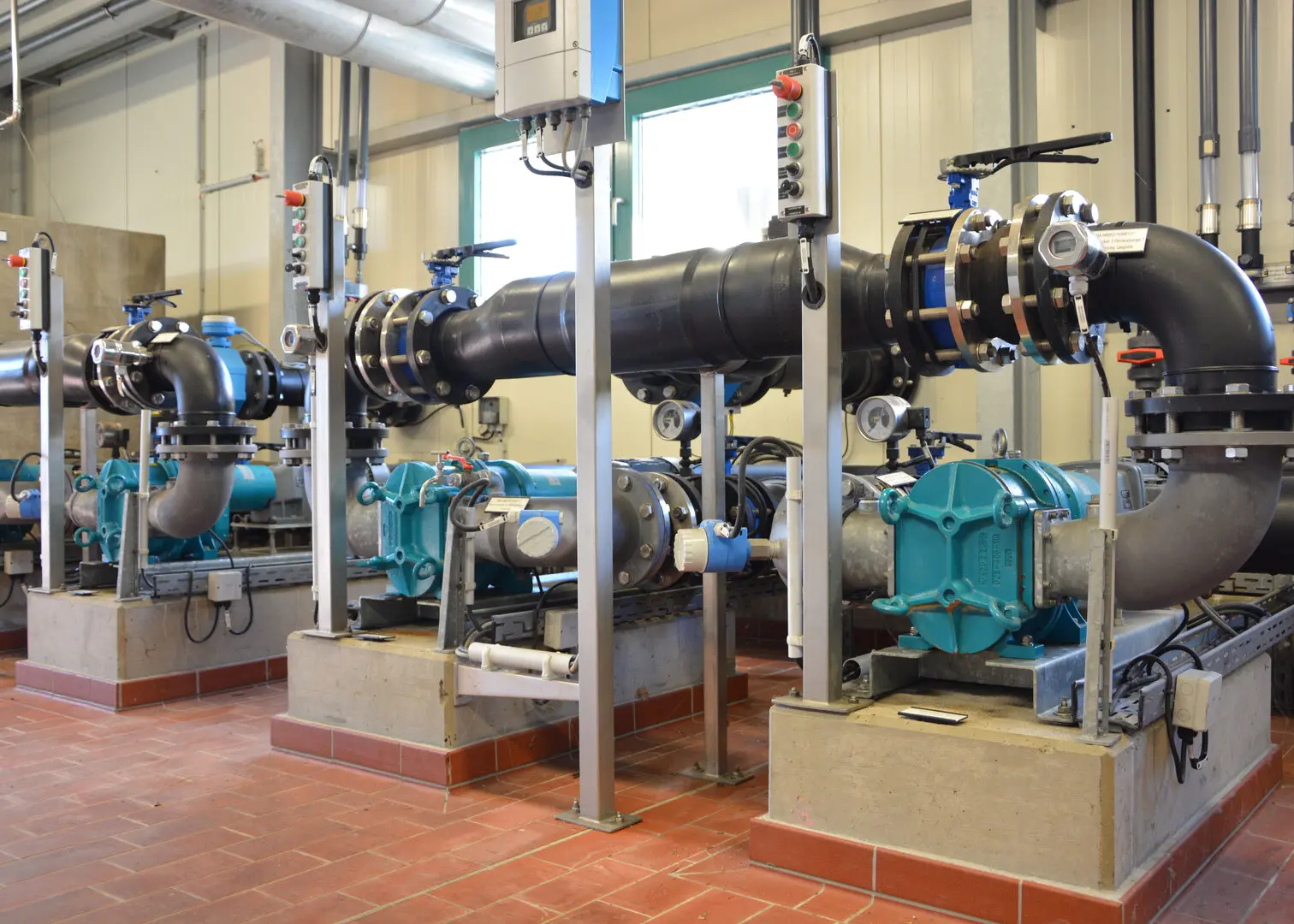
Rotary lobe pumps play a crucial role in many industries, ranging from food processing to chemical manufacturing. These pumps are known for their efficiency in handling delicate fluids, providing a steady flow while minimizing shear. However, to maximize the performance and longevity of your rotary lobe pump, proper installation is key. In this article, we will cover the best practices for installing rotary lobe pumps in your facility to ensure they operate at peak efficiency.
Understanding Rotary Lobe Pumps
Before diving into the installation process, it’s important to understand what rotary Lobe Pump are and how they function. A rotary lobe pump is a positive displacement pump that uses two or more lobes that rotate in opposite directions to move fluids. These pumps are ideal for handling highly viscous liquids, shear-sensitive fluids, or fluids containing solids.
At Ace Lobe Pumps, we manufacture top-quality rotary lobe pumps designed for reliability and durability, even in the most demanding environments.
Key Components of Rotary Lobe Pumps
To ensure a successful installation, it’s helpful to familiarize yourself with the key components of a rotary lobe pump:
Rotor: The main moving part that creates the pumping action.
Pump Casing: Encloses the rotor and contains the fluid being pumped.
Lobes: These are the parts of the rotor that create the displacement.
Suction and Discharge Ports: Where the fluid enters and exits the pump.
Drive Shaft: Connects the motor to the pump rotor.
When you’re installing your rotary lobe pump, understanding these components will help you avoid common pitfalls and ensure optimal performance.
Step-by-Step Guide to Installing Rotary Lobe Pumps
1. Preparation and Site Selection
The first step in the installation process is preparing the site where the rotary lobe pump will be installed. Make sure the installation area is clean, dry, and free from debris. Ensure there is enough space around the pump for maintenance and inspection.
Key considerations:
Accessibility: Ensure easy access to the pump for maintenance.
Stable Foundation: Place the pump on a level and stable foundation to avoid vibrations and ensure proper operation.
Ventilation: Adequate ventilation is crucial for pumps that may produce heat during operation.
2. Positioning the Pump
Once the site is ready, position the rotary lobe pump correctly. The inlet and outlet ports must be aligned with the system’s piping to ensure smooth fluid flow. Ace Lobe Pumps recommends placing the pump in a location where it can be easily accessed for repairs or upgrades. Make sure that the suction line is as short and direct as possible to avoid unnecessary restrictions.
3. Check the Alignment
Proper alignment of the pump is crucial to avoid excessive wear on the components. Misalignment can cause uneven wear on the rotor and casing, leading to decreased efficiency and potential pump failure. Use a laser alignment tool to ensure the pump is perfectly aligned with the motor and drive shaft.
4. Install the Drive Motor
The next step is to attach the drive motor to the pump. Ensure that the motor is securely mounted and that the motor shaft is aligned with the pump shaft. Ace Lobe Pumps provides motor and gearbox mounting options that reduce vibration, helping to extend the life of the pump.
5. Connect the Piping System
After the pump and motor are aligned, it’s time to connect the suction and discharge pipes. Use high-quality materials that are compatible with the fluids being pumped. It is important to install the piping with the proper amount of support to prevent unnecessary stress on the pump’s connections.
Important tips:
Avoid sharp bends in the piping to reduce flow restrictions.
Install a strainer or filter at the suction line to prevent solids from entering the pump.
6. Install the Seal and Gaskets
To ensure that no leaks occur, it’s essential to properly install seals and gaskets. Make sure that the seals are placed correctly and that they are compatible with the fluid being pumped. Ace Lobe Pumps provides high-quality gaskets that are resistant to a wide range of chemicals, ensuring a tight seal throughout the operation.
7. Check the Shaft Seal
The shaft seal prevents fluid from leaking out of the pump through the drive shaft. It is vital to ensure that the shaft seal is correctly installed and that the sealing surfaces are clean and undamaged. A faulty shaft seal can cause leaks and operational issues, so this step cannot be overlooked.
8. Prime the Pump
Before starting the pump, it’s essential to prime it to remove any air pockets. Air trapped in the pump can lead to cavitation, which can cause damage to the rotor and casing. Most rotary lobe pumps are self-priming, but you may need to add fluid manually to ensure smooth operation from the start.
9. Test the Pump Operation
Once everything is set up, it’s time to test the pump. Turn on the motor and observe the pump’s operation. Check for unusual noises, vibrations, or leaks. The pump should run smoothly without any signs of stress. Adjust the motor speed if necessary to ensure that the pump operates within its recommended flow range.
10. Monitor the Pump Performance
After installation, it’s crucial to continuously monitor the pump’s performance. Check the pressure, flow, and temperature regularly to ensure that the pump operates efficiently. Over time, make sure to clean the pump and replace the seals, gaskets, and other wear parts as needed.
Maintenance Tips for Rotary Lobe Pumps
Even with proper installation, regular maintenance is key to extending the life of your rotary lobe pump. Here are a few tips to keep in mind:
Regular Inspections: Periodically inspect the pump for leaks, vibrations, and unusual noises.
Clean the Pump: Clean the pump regularly to prevent buildup of debris or contaminants that could affect its performance.
Lubricate the Moving Parts: Ensure that the moving parts, such as the rotor and bearings, are properly lubricated to prevent wear.
Check the Seals and Gaskets: Over time, seals and gaskets can wear out. Regularly check and replace them to prevent leaks.
Common Issues During Installation and How to Avoid Them
While installing a rotary lobe pump, several common issues can arise. Here’s how to avoid them:
Misalignment: This can cause uneven wear on the rotor and casing. Use precise alignment tools during installation.
Incorrect Piping: Incorrectly sized or routed piping can lead to inefficiency and pump failure. Always consult the manufacturer’s specifications for proper piping.
Failure to Prime: Not priming the pump can cause cavitation and damage. Always ensure the pump is primed before use.
Why Choose Ace Lobe Pumps?
At Ace Lobe Pumps, we are committed to providing the highest quality rotary lobe pumps that are designed for durability, efficiency, and ease of use. Our pumps are ideal for various industries, including food processing, chemical, and pharmaceutical applications. Our expertise in manufacturing reliable rotary lobe pumps ensures that you get the best performance and value for your investment.
Conclusion
Proper installation is crucial for the longevity and efficiency of your rotary lobe pump. By following these best practices, you can ensure that your pump operates smoothly and lasts for years to come. At Ace Lobe Pumps, we are dedicated to providing top-notch rotary lobe pumps and ensuring that our customers have all the information they need for a successful installation. With the right installation, regular maintenance, and attention to detail, your rotary lobe pump will continue to provide optimal performance in your facility.